Skip to content
Hiring a kitchen design company is a big step in any remodeling project, and asking the right questions upfront can save you from major headaches down the road. Before starting your renovation, know the questions to ask kitchen designers to ensure you get the best kitchen remodel possible. Research popular kitchen remodel trends to spark ideas and inspiration.
To prepare for a kitchen upgrade, plan your budget, layout, and materials ahead of time for a smoother experience. Many homeowners jump into the design phase without clarity on timelines, project management, or how their personal style will be reflected. This often leads to delays, cost overruns, and unsatisfying results.
That is why this guide lays out the ten most important questions you should ask any kitchen design company before hiring them. These aren’t just basic inquiries—they are designed to give you insight into how the company works, how transparent they are, and whether they can truly deliver the kitchen you have been dreaming of. Take this list with you to consultations, and use it to steer the conversation so you can make a confident and informed decision.
1. What Is Your Experience with Kitchen Renovations Similar to Mine?
Before diving into specifics, it is important to understand if the kitchen design company has relevant experience—not just general remodeling experience. Ask how long they’ve been in business and whether they’ve completed projects that match the scope, size, or style of your own.

For example, remodeling a small galley kitchen in a 1950s home takes a very different approach than designing a luxury chef’s kitchen in a new build designed just for you. Are they familiar with older plumbing and electrical systems? Do they know how to work around tight layouts or structural quirks?
These nuances matter when it comes to executing a successful remodel.
Understanding Their Specializations and Portfolio
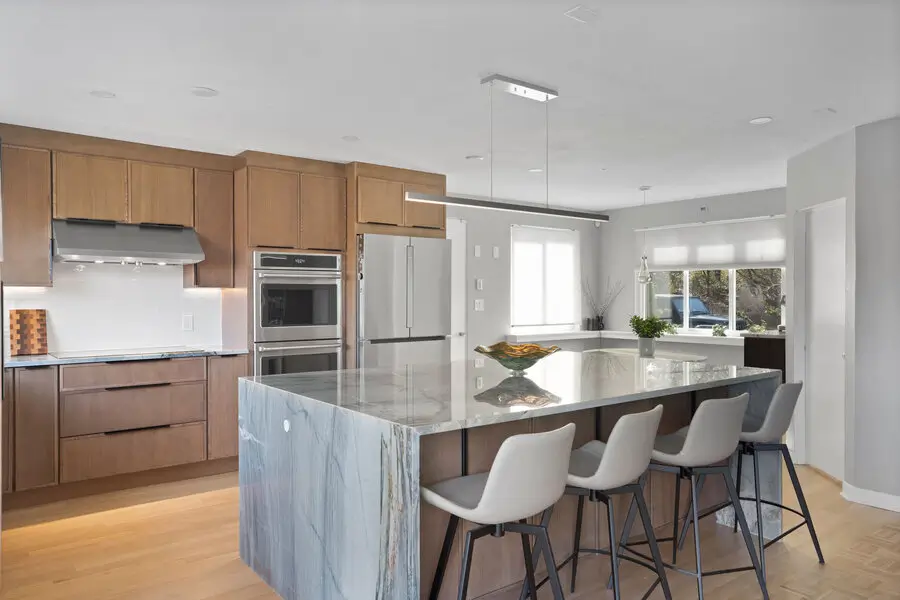
Do not settle for vague assurances—ask to see specific examples of kitchen remodels they’ve completed that reflect what you are looking to achieve. Whether you are after a farmhouse-style kitchen with custom woodwork or a sleek, modern space with high-end finishes, the contractor’s portfolio should show that they have done it before.
Look at the diversity in their work: are they flexible with styles, or do all their projects look the same? Pay close attention to layout challenges, how they utilize storage, and lighting integration, and how well their finished work blends form and function.
2. Can You Show Me Examples of Completed Projects?
Seeing is believing when it comes to kitchen remodeling. Ask for photos or walkthroughs of completed kitchens to get a real sense of what the company can deliver. Whether it is a digital gallery, social media showcase, or even an in-person visit to a former client’s home, these visuals give you a firsthand look at their style, quality, and overall execution.
Planning a kitchen upgrade? Start by researching popular kitchen remodel trends. To get the best kitchen remodel, prepare with a solid budget and vision. Ask kitchen designers key questions about layout, materials, and timelines. The right questions help you choose a pro who fits your style and delivers quality results.
Don’t just admire the design—ask about the process, timeline, and how the final results compared to the original plan.
How to Evaluate Style, Quality, and Consistency
When reviewing their portfolio, look beyond pretty finishes. Evaluate how they solve layout problems, integrate smart storage, and bring natural light into the space. Are the transitions clean? Is the cabinetry aligned? Are materials used consistently across projects?
A good design company will not just chase trends—they will build timeless kitchens that reflect the client’s goals and lifestyle. Also look for a variety of styles and budgets. If everything looks the same, they may lack versatility. A strong portfolio should reflect attention to detail, problem-solving skills, and the ability to produce consistently high-quality results, no matter the project scope.
3. What Is Your Design Process from Start to Finish?
A successful kitchen renovation depends heavily on process. It is not just about choosing countertops and colors—it is about managing timelines, budgets, and decisions every step of the way. Ask your design company to explain how they approach a kitchen remodel from day one.
Timeline, Collaboration, and Milestones
From the first sketch to the final cabinet handle, each step should be well-defined. Ask them to break down the full schedule—initial consultation, design drafts, selections, permitting, and construction. How long does each phase take? Who signs off on what?
Find out how they manage collaboration: Will you get regular updates? How are change requests handled? Good kitchen design companies plan with milestones in mind—so both you and their team stay aligned throughout the build.
4. How Do You Incorporate My Lifestyle and Preferences into the Design?
Your kitchen should be built around your life—not the other way around. A truly custom design takes your needs, routines, and habits into account. Do you cook often? Need space for meal prep? Entertain frequently? Have small children or aging parents? These lifestyle factors should shape everything from cabinet placement to lighting design. Ask the company how they learn about your routines.
Personalization vs. Standard Templates
A kitchen that fits your lifestyle should not be pulled from a catalog. Ask how the company builds your design from scratch. Do they adjust layouts based on how you move through the kitchen? Will they recommend custom features like pull-out spice racks, hidden trash bins, or charging drawers based on your preferences?
If they offer only one or two layout options or push pre-built packages, you may not be getting the customization your home deserves. A great kitchen designer asks thoughtful questions, listens carefully, and adapts every part of the plan to reflect your goals and priorities.
5. What Budget Range Do You Typically Work With?
Every kitchen remodel has a price tag, and being clear about your budget early on helps prevent disappointment down the road. Some companies specialize in luxury kitchens, while others focus on mid-range or budget-conscious renovations. You will want to work with someone who’s comfortable operating in your target price range. Be upfront about your numbers, and expect the same in return.
Transparency in Costs and Hidden Fees
Ask for a detailed cost breakdown before you sign anything. That means more than a lump sum—it should list out design fees, material costs, labor, permitting, and any additional charges. Also, ask how they handle surprises. What happens if the team runs into structural issues? Do they pad estimates for contingencies?
A trustworthy kitchen design company will walk you through the numbers, flag potential variables, and offer cost-saving alternatives when needed. Transparency builds trust and helps avoid project creep. If they are vague or dodging your questions, that is a sign they might not be looking out for your bottom line.
6. Do You Offer 3D Renderings or Visual Mockups?
It is not always easy to picture how your new kitchen will look based on a sketch or product samples alone. That’s where 3D renderings or digital mockups come in. These tools give you a visual preview of the design before any demo work begins. Some firms include this as part of their package, while others charge extra.

Visual Tools to Help You Make Informed Decisions
With 3D visuals or mockups, you will be able to view your layout, color scheme, and materials all in a realistic setting. These are not just flashy extras—they’re essential tools that help you visualize how everything will come together. You will see how cabinet finishes look with flooring, where lighting hits, and whether traffic flow makes sense.
Ask if revisions are included and how many versions you’re allowed. A design company that provides visual aids helps you make educated choices, reducing second guesses or regrets. It’s better to change a cabinet finish in a rendering than after installation—when it’s too late.
7. Will You Handle Permits and Local Code Compliance?
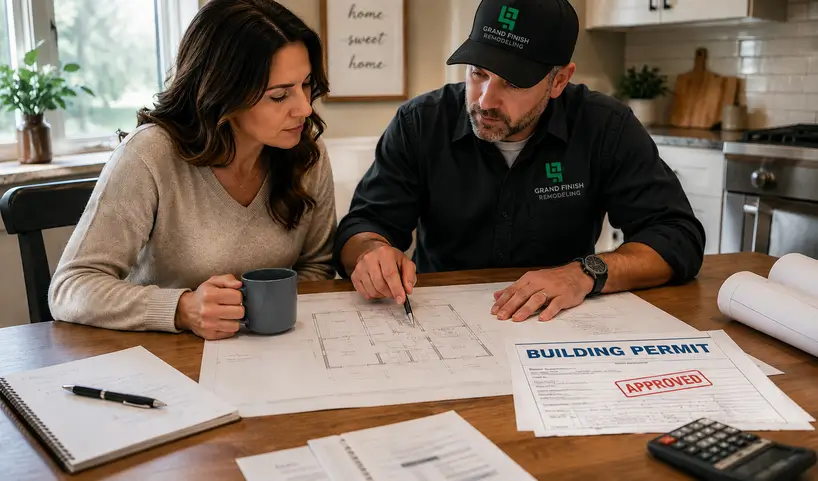
This is one of the most overlooked yet critical parts of any kitchen renovation. Whether you are moving electrical lines, adjusting plumbing, or altering structural elements, local permits and inspections are often required. Do not assume your designer or contractor will automatically take care of these.
Understanding Their Role in Legal Requirements
Not every kitchen design company handles permitting, so clarify this upfront. If they do, ask how they coordinate with local inspectors and what’s included in their process. Will they submit the paperwork? Will they attend the inspections? Will they handle resubmissions if something does not pass the first time?
If they don’t handle permits, you will need to figure out who does—either you or your general contractor. Local code compliance is non-negotiable, especially when safety systems like gas lines or wiring are involved. A team that understands these requirements—and manages them on your behalf—is worth its weight in peace of mind.
8. How Do You Select and Source Materials?
From flooring and backsplashes to cabinets and countertops, the materials you choose will define not just how your kitchen looks—but how well it holds up over time. Ask the company where they source their materials, whether they work with local suppliers or established national brands, and how they guide clients in making selections.
Balancing Quality, Aesthetics, and Durability
Good material sourcing isn’t just about looks—it’s about performance and long-term value. Ask how the company chooses what they recommend. Do they consider durability for families with kids or pets? Do they offer eco-friendly or low-maintenance options for busy homeowners? A professional team will guide you through material trade-offs: quartz vs. granite, hardwood vs. vinyl, or custom vs. stock cabinets.
They will also help you make smart compromises if you are on a budget—without sacrificing quality. Be sure to ask if you can view samples or visit showrooms. The right materials should feel good, function well, and last for years to come.
9. Who Will Manage the Project and Be My Point of Contact?
Even the best kitchen design can go off-track if there’s no clear project management. This is where many remodels succeed—or fall apart. You need to know exactly who’s in charge, who you’ll speak with during the project, and how updates will be communicated. A reliable point of contact keeps the wheels turning, catches issues early, and keeps your stress level low.
Communication and Accountability During the Remodel
Ask whether you will be assigned a dedicated project manager or if you will be working with multiple contacts. Who schedules the subcontractors? Who handles change orders or unexpected issues? A single point of contact means quicker updates, fewer miscommunications, and a smoother process overall.
Remember to ask how they communicate—are updates given weekly by email, or will there be site meetings? How do they track progress? A strong management plan includes daily check-ins, clear timelines, and full transparency when something goes off schedule. When responsibilities are clearly defined, everyone stays on the same page—and that keeps the project running efficiently.
10. What Warranty or Support Do You Offer After Project Completion?
Once the dust settles and the final cabinet is installed, you want to know you are covered. A quality kitchen design company stands behind its work with solid warranties and support. Don’t wait until something breaks to ask what happens next. Ask upfront what kind of post-completion services are included—whether it is a final walkthrough, minor touch-ups, or a return visit to resolve issues.
Peace of Mind and Long-Term Service
Ask about both labor and material warranties—how long they last and what they include. Will the company fix minor problems after the project ends? What’s the process for submitting a warranty claim? Do they partner with product manufacturers who offer extended coverage? A reliable company won’t just hand you a manual and walk away.
They will make sure everything’s functioning as expected, and they will be available if something goes wrong in the months that follow. Post-project support isn’t just about repairs—it’s about accountability and ongoing service. That extra peace of mind shows you have hired a company that truly cares.
Final Thoughts on Questions to Ask Kitchen Design Companies
Getting ready for a kitchen upgrade? Know the popular kitchen remodel trends and ask the right questions to ask kitchen designers. It is the best way to get the best kitchen remodel for your space. Smart planning and clear communication help you avoid surprises and create a kitchen that truly works.
If you are planning a kitchen renovation and want a team that values transparency, craftsmanship, and personalized service, reach out to Grand Finish Remodeling. Our experienced design-build professionals are here to make your kitchen transformation seamless from concept to completion. Contact us today to schedule your consultation.
FAQs
1. Why should I ask questions before hiring a kitchen designer?
Asking the right questions helps you avoid delays, miscommunication, and unexpected costs, and ensures your vision is clearly understood.
2. What should I look for in a kitchen design company’s portfolio?
Look for diversity in styles, attention to detail, and solutions for layout and storage that reflect your desired results.
3. How important is a project manager in a kitchen remodel?
Very. A dedicated project manager keeps everything on track, communicates updates, and handles issues promptly.
4. Do I need 3D renderings before starting the remodel?
3D mockups help visualize the final result, align expectations, and make changes early—saving time and money.
5. What warranties should I expect after the kitchen remodel?
Expect warranties on both labor and materials, plus post-project support for touch-ups or issues that arise later.