Skip to content
Planning a renovation often starts with one simple question: “How much is reasonable to spend?” Many homeowners hear about the 30% rule and assume it is a strict formula. In reality, it is a planning guideline meant to help you think clearly about scope, priorities, and risk. When used correctly, it supports better decisions, fewer surprises, and a renovation that fits both your home and your long-term goals.
This guide explains the 30% concept and shows how it fits real remodeling decisions for homeowners in Framingham. The goal is not to give exact figures, but to help you plan with confidence.
What Is the 30% Rule in Remodeling?

At its core, the 30% rule is a general budgeting guideline used to keep renovation spending in proportion to a home’s overall budget. It is not a requirement or a hard limit, and it should not prevent necessary improvements.
When homeowners mention the 30% rule remodeling, they usually mean a boundary that helps frame decisions, assess scope, and avoid overcommitting. The idea encourages stepping back to assess whether a project fits the home rather than focusing solely on space.
Why the 30% Rule Can Mean Two Different Things
The 30% rule for home renovation is often misunderstood because homeowners hear it explained in different contexts, leading to mixed expectations about how it should guide renovation decisions.
Version One: Home Value as a Guardrail
In this version, the rule is a reminder not to invest more into renovations than the home can reasonably support. It is especially helpful when resale value matters or when comparing multiple project options. This interpretation helps homeowners pause before expanding a project beyond what makes sense for the property.
Version Two: Planning for the Unexpected
Another common interpretation relates to preparation. In older homes, renovation plans often change once work begins. Some homeowners use the 30% rule as a reminder to allow breathing room for adjustments, discoveries, or scope changes that may arise during construction.
How to Calculate the 30% Rule in Simple Steps
When thinking about the 30% rule, it helps to avoid formulas and focus on stages instead. Start by understanding your home’s general market position. Next, clearly define the scope of your renovation. Then, build a flexible budget range rather than a fixed target. Allow room for adjustments as conditions are uncovered during the project. Finally, prioritize must-have improvements over optional upgrades to keep decisions aligned and manageable.
Budget Framework at a Glance
| Project scope | Typical inclusions | Biggest cost drivers | When to allow more flexibility |
| Single room update | Finishes and fixtures | Layout changes | Older systems |
| Multi-room remodel | Structural adjustments | Plumbing and wiring | Open walls |
| Whole lower level | Comfort upgrades | Moisture control | Unknown conditions |
Does the 30% Rule Apply in Framingham?
For many homeowners, the 30% rule for home renovation serves as a reference, not a strict limit. Homes with older construction, multiple past updates, or hidden conditions often require changes once work begins. These factors can influence scope and priorities more than early plans suggest.
That is why remodeling Framingham homes often involves adjusting expectations during the process. Instead of setting a hard boundary, the rule works best as a way to frame discussions, evaluate comfort with investment, and stay flexible as real conditions are uncovered during renovation work.
How the 30% Rule Shows Up in Renovation Decisions
Real remodeling projects show how the 30% rule influences everyday decisions, shaping priorities, spending balances, and scope adjustments across kitchens, bathrooms, and basements in Framingham homes.
Kitchen Remodeling in Framingham
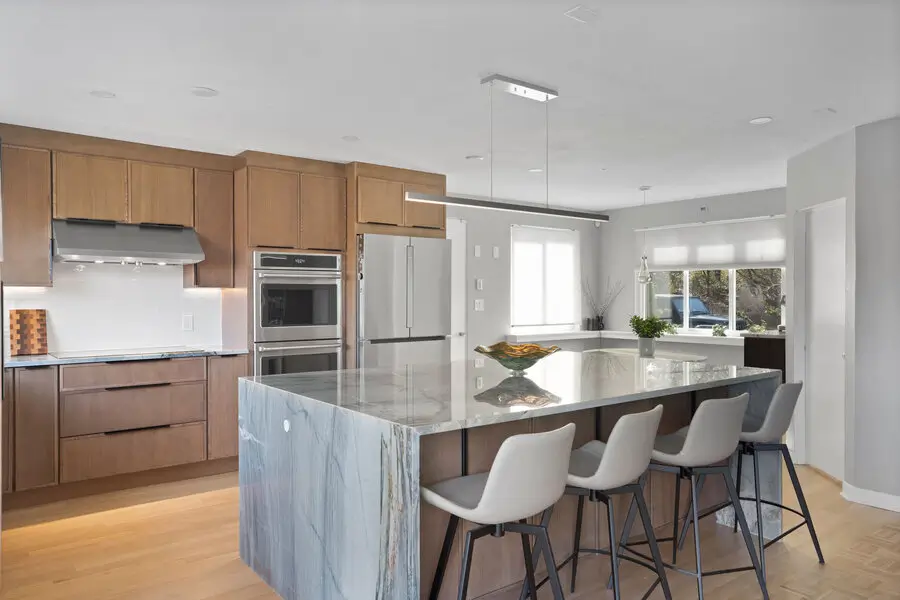
Budgets change quickly once walls, plumbing, or layouts are adjusted. Storage planning, lighting placement, and workflow usually matter more than finishes. When spending is directed toward function first, homeowners gain a kitchen that works better daily and avoids upgrades that add cost without improving usability.
Bathroom Remodeling in Framingham
Performance-related choices strongly affect long-term comfort. Waterproofing methods, ventilation planning, and fixture placement often determine durability. When these elements are underestimated early, costs tend to rise later. Focusing spending on behind-the-scenes work helps prevent problems, supports use, and reduces the risk of corrective work later.
Basement Remodeling in Framingham
Planning decisions shape comfort more than finishes. Ceiling height limits, airflow management, and moisture control influence how usable the space feels. When these factors are addressed early, layouts stay realistic, and budgets remain stable. Skipping evaluation leads to revisions that increase cost and delay completion.
Related content: Bathroom Remodel on a Tight Budget: Smart Ideas, Real Costs & Before-and-After Results
When You Should Bend or Ignore the Rule
There are situations where the 30% rule becomes less relevant to decision-making. Homes intended for long-term living, accessibility improvements, safety-related upgrades, or major layout corrections often require choices based on necessity rather than proportion.
In these cases, comfort, usability, and functionality take priority. Some homeowners manage this by phasing their projects over time. They focus first on spaces that affect daily living most, then plan additional updates later. This staged approach helps control spending while still allowing meaningful improvements without overwhelming the overall renovation plan.
Common Budget Mistakes and How to Avoid Them
Budget problems often begin during early planning, not during construction. When scope, selections, and timelines aren’t clearly defined, costs tend to expand mid-project. The issues below are common and preventablewith realistic expectations and structured planning.
- Under-scoping prep work: Electrical, plumbing, or framing needs are missed early and then added later, increasing costs and delays.
- Choosing finishes before layout: Selecting materials first can force redesigns when layouts change.
- No allowance planning: Without allowances, selections quickly exceed expectations.
- No contingency or unrealistic timelines: A lack of flexibility creates stress when changes occur.
Avoiding these mistakes requires disciplined sequencing. Finalize layout and scope before choosing finishes, build allowances into your budget, and maintain a contingency reserve. Clear planning at the start reduces mid-project corrections and helps keep the 30% rule aligned with real costs.
How to Plan Your Renovation Budget with a Contractor

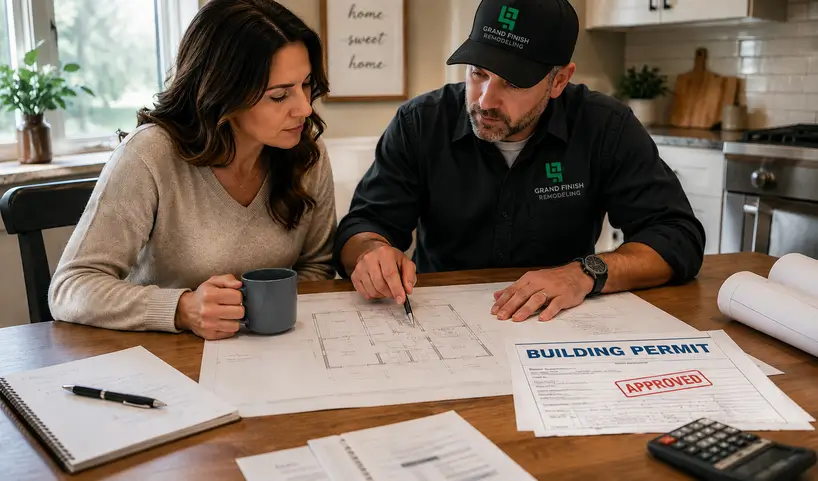
Planning your renovation budget with a contractor begins with preparation. Bring clear goals, inspiration references, must‑have features, a target budget range, and any timeline constraints to your consultation. A reliable contractor will explain the scope transparently, outline allowances for materials and finishes, and set expectations for change orders before work begins.
This upfront clarity ensures you understand what’s included, minimizes surprises, and builds trust. With transparency guiding the process, you protect your budget while keeping communication smooth and productive.
FAQs
1. What does the 30% rule in remodeling really mean?
The 30% rule is a general budgeting reference that helps homeowners think about renovation scope in relation to their home overall. It is not a strict cap, but a way to evaluate comfort, timing, and long-term planning.
2. Is the rule reliable for older homes?
The rule can be useful for older homes, but flexibility is often required. Existing conditions, outdated systems, and hidden issues can affect scope, making early estimates less predictable and requiring adjustments as work progresses.
3. Should kitchens or bathrooms come first?
The decision usually depends on daily impact and urgency. Kitchens often affect everyday routines more, while bathrooms may take priority when functionality, comfort, or condition issues interfere with regular use.
4. How do basements affect renovation planning?
Basements introduce additional planning considerations related to comfort and usability. Factors such as airflow, moisture control, and ceiling limitations often shape the scope and budget more than surface finishes or decorative choices.
5. How do homeowners avoid overspending?
Overspending is often avoided by defining a clear scope early, prioritizing needs over upgrades, and allowing flexibility for adjustments. Open communication with a contractor and realistic expectations help keep decisions aligned throughout the project.
Get a Clear Budget Plan Before You Commit
Smart renovations start with clear expectations and disciplined planning. Before finalizing scope or selections, it helps to understand how your budget aligns with layout, materials, and long-term value.Grand Finish Remodeling works with homeowners to define realistic project costs, build appropriate contingencies, and avoid the common budgeting mistakes that lead to stress mid-project. If you’re planning a renovation and want clarity before committing, request a renovation budgeting consultation with Grand Finish Remodeling. You can also download the Remodel Budget Planning Checklist to start organizing your plan.